
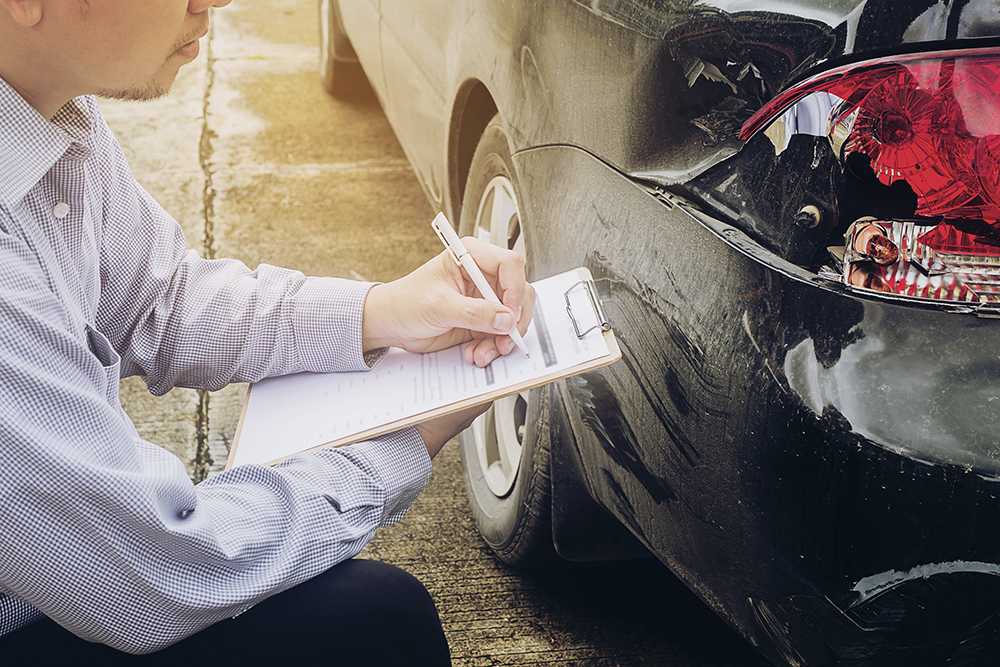
For most sellers, the inspection is the most nerve-racking part of the sale. A stranger walks around your car, crouches by the wheels, peers under the bonnet, and you have no idea what they are looking for or what they are thinking. The good news is that inspections are far more predictable than they feel. Buyers, mechanics, and professional car buying services all work through a similar mental checklist, and once you know what is on it, you can prepare with confidence instead of guessing.
Here is what actually gets checked, and why each item matters to the figure you are offered.
Panels, paint, and the story they tell
The walk-around is rarely about spotting a single scratch. Experienced buyers read the panels as a history of the car. They look for paint that does not quite match between adjoining panels, uneven gaps around doors and the bonnet, and ripples visible along the car's flanks in low light. These can suggest past repairs, which is not automatically a problem, but undisclosed repairs erode trust quickly.
Minor marks, small dents, and stone chips are expected on any used car. Sellers do not need a flawless exterior, they need an honest one that matches the description given.
Tyres, wheels, and what sits behind them
Tyres are one of the quickest condition checks available. A buyer will look at remaining tread, whether wear is even across each tyre, and whether all four are a sensible match. Uneven wear can point to alignment or suspension issues, which shifts the conversation from cosmetics to mechanics.
Behind the wheels, many inspectors glance at brake components and look for any signs of leaks or corrosion. None of this requires a hoist. A phone torch and thirty seconds per corner tells an experienced eye a great deal.
Under the bonnet and under the car
Engine bays do not need to be showroom-clean, but inspectors look for fresh oil residue, perished hoses, corroded battery terminals, and coolant that looks neglected. They will often check the oil level and colour, and look under the car for drips or staining on the driveway.
A car that starts promptly from cold, idles smoothly, and shows no warning lights on the dash clears the biggest hurdles in this part of the inspection. If a warning light is on, it is far better to know why before the inspection than to be surprised during it.
The interior and the electronics
Inside the cabin, buyers check seat wear against the odometer reading, test every window, mirror, and seat adjustment, and work through the air conditioning, audio, and infotainment functions. Odours matter more than many sellers expect. Smoke, damp, or pet smells are difficult to remove and easy for a buyer to price against you.
A thorough clean before inspection day is one of the cheapest improvements you can make when a sale is on the horizon. It cannot hide faults, and it should not, but it presents the car as cared for, which shapes how every other observation is interpreted.
The paperwork check
Documents get inspected as closely as the car itself. Buyers want to see the service logbook, registration papers, and any invoices for recent work. Professional car buying services will also verify the identity of the vehicle and check for money owing against it, which is standard practice rather than a sign of suspicion.
Sellers who arrive with organised paperwork consistently have smoother inspections. Gaps in service history do not automatically sink a sale, but unexplained gaps combined with a reluctance to discuss them will.
The drive
A test drive confirms what the static checks suggested. The inspector listens for noises over bumps, feels whether the car tracks straight, checks that the brakes pull up evenly, and pays attention to how the transmission behaves. It is usually short. Most of what a drive reveals shows up within the first few minutes.
How professional car buying services approach it differently
Private buyers inspect to decide whether they want the car. Professional car buying services inspect to price it accurately, which is a subtly different exercise. Their assessors see hundreds of vehicles, so they work quickly, focus on the items that genuinely affect value, and are rarely fazed by the ordinary wear that can derail a private negotiation.
That experience tends to make the process calmer for the seller. There is no haggling theatre, just an assessment and a figure. With Cars4Us, the inspection fits around you, and you can start with a free online valuation before anyone looks at the car at all.
Preparing for inspection day
Clean the car properly, gather every document you can find, fix the small things that are cheap to fix, and be upfront about anything you cannot. Buyers respond well to sellers who clearly know their car, and most car buying services will reflect honest presentation in the offer they make.
If you would rather skip the driveway inspections altogether, Cars4Us makes it simple. Request your free valuation, receive a transparent offer, and have the assessment done at a time and place that suits you, with payment and paperwork sorted as part of the deal.