
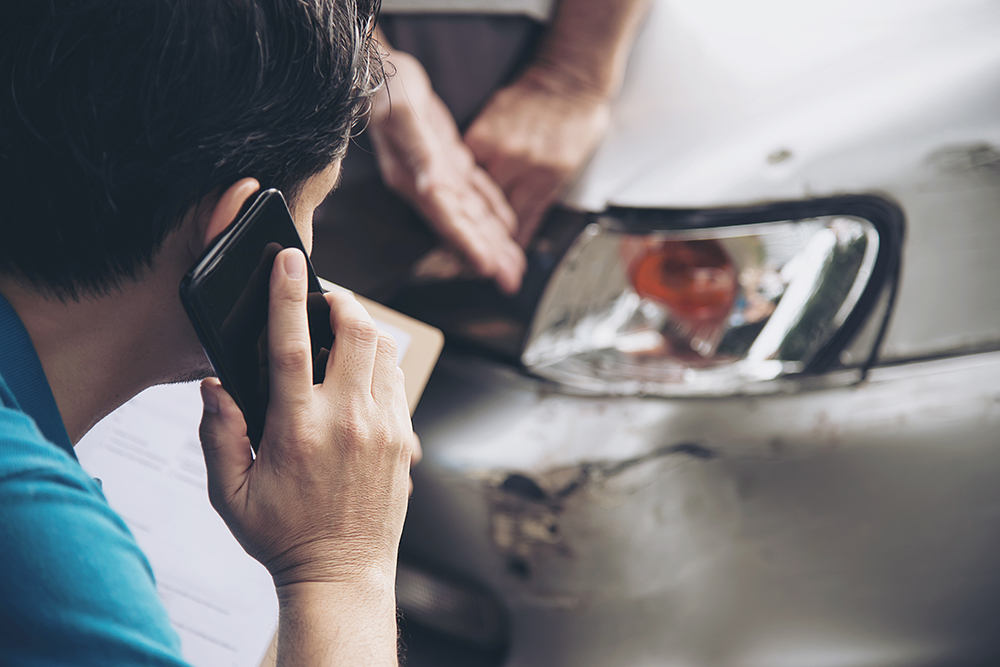
Minor damage is one of the most common worries owners have when they decide to part with a vehicle. A kerb-scuffed alloy, a car-park dent in the rear quarter, a hairline windscreen chip, none of these stop a car from being sold, but they do affect how buyers respond to it. The good news is that minor cosmetic damage is rarely the dealbreaker owners assume. With the right approach, a car with a few imperfections can still attract a fair, transparent offer.
If you have been looking into how to sell your car when it is not showroom-perfect, you have probably seen plenty of conflicting advice online. Some sources suggest you should repair every blemish before listing the car. Others say damage barely matters at all. The truth sits somewhere in between, and the answer depends on the type of damage, the age and value of the car, and the sale method you choose.
What counts as minor damage when you sell your car
Minor damage usually covers cosmetic issues that do not affect how the car drives or how safe it is on the road. Common examples include light scratches, paint scuffs, small dents from car parks or shopping trolleys, kerbed wheels, faded plastic trim, stone chips on the bonnet, and small windscreen chips outside the driver's line of sight.
Damage starts to move out of the minor category when it affects panels structurally, when warning lights are present, or when something mechanical is failing. A cracked bumper bar that is still attached is minor. A bumper hanging off its mounts is not. Knowing where your car sits on that spectrum is the first step to setting realistic expectations.
How damage affects resale value
Buyers and professional appraisers look at damage through two lenses: cost to repair and visual impression. A small dent that a paintless dent repairer can fix for very little money will be priced into an offer accordingly. A deep scratch through to the primer that needs a panel respray costs more and will be reflected in a larger deduction.
The age and value of the car also matters. On a newer, higher-value vehicle, even small marks can shift the offer noticeably because the buyer expects a near-perfect presentation. On an older car already showing wear, the same marks may have almost no impact. Selling a damaged car that is ten years old often produces a smaller deduction than the same damage on a three-year-old equivalent.
Should you repair before you sell your car
The instinct to fix everything before listing is understandable, but it does not always pay off. The general rule is that repairs only make financial sense when the cost is lower than the value they add to the sale price. A small dent fixed for a modest sum may lift the offer by more than it costs. A full bumper respray on an older car rarely returns its cost.
Before booking any repairs, get a realistic sense of what the car is worth in both its current and repaired state. A free online valuation from a direct buyer is a quick way to anchor this. If the gap is small, leave the damage and disclose it honestly. If the gap is meaningful, weigh the repair cost, the time involved, and how soon you want to move on from the car.
Disclosure matters more than perfection
Honesty is the single most important factor when the time comes to sell your car with damage. Buyers respect transparency, and direct buying services build their offers around accurate information. Withholding damage to get a higher initial quote almost always backfires at inspection, when the offer is revised or withdrawn.
Take clear photos of every imperfection in daylight, note any known mechanical quirks, and describe the damage in plain language. A car presented honestly with photos and a clean history will almost always outperform one that arrives at inspection with surprises. This is true whether you go private or use a direct buyer.
How Cars4Us approaches damaged cars
Cars4Us buys cars in a wide range of conditions, including vehicles with cosmetic damage, panel wear, and minor mechanical issues. The valuation process is built to handle this. You enter your details online, describe the condition accurately, and receive an offer based on the current market and the information you provide. From there, an inspection confirms the condition and the offer is finalised on the spot.
There is no need to repair or detail the car before getting a valuation. Cars4Us also runs an in-house scratch repair service, which means damage that would worry a private buyer is simply part of the everyday business. For owners who want to sell your car with damage without the stress of repair quotes, photoshoots, or strangers at the door, the process is built to be quick and straightforward.
Ready to get an offer
Whether your car has a single car-park dent or a few years of honest wear, you do not need to spend on repairs before finding out what it is worth. Get a free, obligation-free valuation, choose a collection time that suits you, and receive payment on the day of pickup.
If you are ready to sell your car the simple way, damage and all, start your valuation and see what your car is worth today.